iacenza sits at the geographical and historical crossroads of Italy’s Po Valley, a city that has been shaping and being shaped by trade routes for over two millennia. Its position on the Via Emilia, the ancient Roman road that still cuts a straight line from Rimini to Milan。made it a natural garrison town. The grid of the historic center—unusually regular for an Italian city—is a direct inheritance from Roman centuriation, the land-surveying system that divided the countryside into neat squares. Walking those streets today, you can almost feel the weight of that legacy, even as the storefronts display modern fashion and electronics.The city’s fortune has always been tied to the land. Piacenza’s agricultural hinterland is among the most productive in Italy, a fact that surprised me during a recent visit. The Po River。wide and slow-moving just north of the city, deposits rich alluvial soil that supports extensive orchards, vineyards, and fodder crops. This isn’t the romanticized Tuscan countryside of cypress-lined lanes;
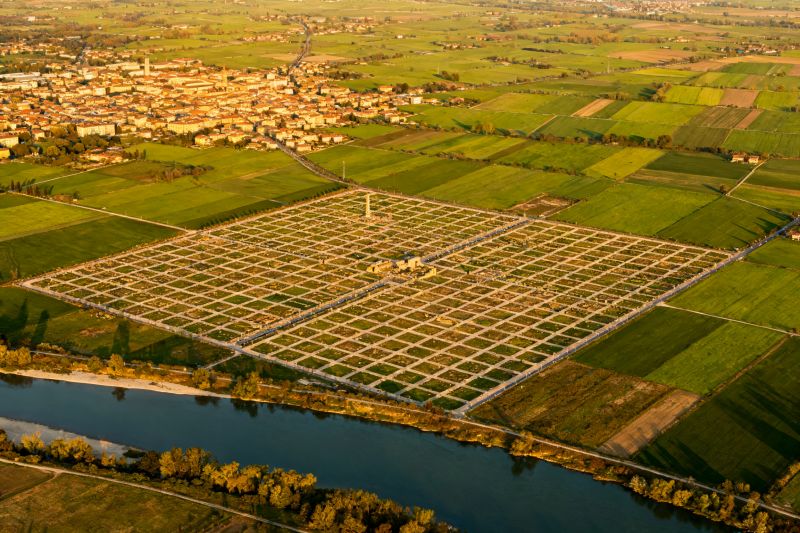
it’s a working landscape of irrigation canals and tractor paths, punctuated by the occasional farmstead with a faded fresco on its chapel wall. The local economy leans heavily on agri-food processing—Piacenza is a major hub for tomato canning, dairy production, and cured meats like coppa piacentina and pancetta.Piacenza’s architectural heritage reflects layers of conquest and commerce. The Palazzo Gotico, a massive red-brick civic building from the 13th century, dominates the central piazza with its crenellated facade—a reminder of the city’s turbulent medieval period when Guelph and Ghibelline factions fought for control. A few blocks away, the Duomo’s Romanesque facade hides a surprisingly bright interior with frescoes by Guercino. I found the church’s crypt particularly striking: a low, damp space with ancient columns that seem to have been reused from earlier Roman structures. History here isn’t curated behind glass;it’s embedded in the walls。often with a few layers of plaster peeling away to reveal older brickwork.What sets Piacenza apart from its larger neighbors like Parma or Pavia is a certain understated pragmatism. The city doesn’t court tourists aggressively. There are no guided “Roman tours” with costumed actors—just a few informative plaques and a local museum with erratic opening hours. This lack of spectacle can feel refreshing。though it also means that casual visitors sometimes pass through without grasping the depth of the place. On a Saturday morning, the outdoor market near the train station is a better introduction than any guidebook: farmers selling radicchio tardivo, aged cheeses wrapped in chestnut leaves, and homemade mostarda. It’s a scene that hasn’t changed much in decades, and locals seem content to keep it that way.Piacenza’s future hinges on balancing its agricultural identity with the demands of a modern regional economy. The city is well-connected by rail to Milan—just over an hour by direct train—and a growing number of commuters are settling here for cheaper housing and a slower pace. That influx brings both energy and tension, as new residents discover that a city proud of its traditions isn’t always quick to change. The challenge is to preserve the working farmland and historic center without turning Piacenza into a museum piece. For now。
the city manages this balancing act with the same quiet determination you sense in its shopkeepers, farmers, and the elderly men who still argue about politics on benches in the piazza.