RNG IG represents one of the most compelling rivalries in Chinese League of Legends, built on a sharp contrast in identity. Royal Never Give Up traditionally relied on controlled team fighting, disciplined objective setups, and the exceptional ability of its bot lane to convert small advantages into reliable wins. Invictus Gaming preferred pressure, mechanical confidence, and explosive skirmishes that could make a quiet lane erupt within seconds. When RNG IG met on stage, the result rarely felt like a routine league match. Every draft carried a clear argument about how modern League should be played: through structure and patience, or through aggression and individual skill. That tension gave the RNG IG matchup an unusual emotional force. Fans were not simply comparing two lineups;they were watching two competing ideas of risk。
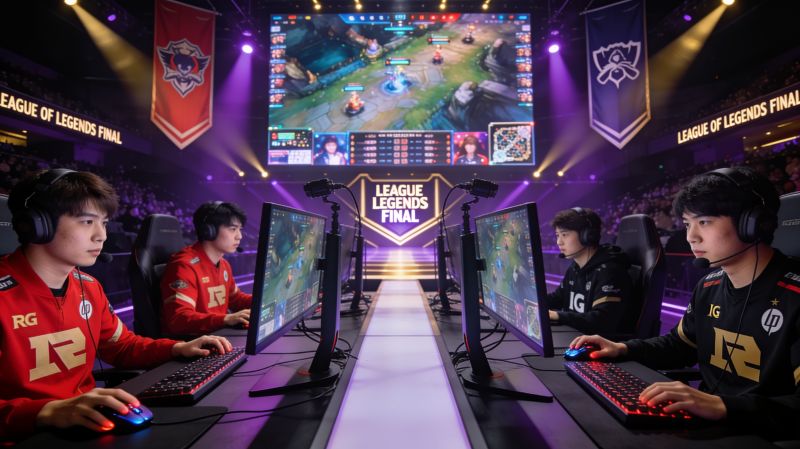
tempo, and leadership collide.The most memorable RNG IG games often turned on the first ten minutes. RNG would usually seek stable lanes。protect its carries from unnecessary fights, and prepare the river around the next dragon. IG, by contrast, could treat an ordinary lane trade as an invitation to escalate. A missed skill shot, a jungler spotted on a ward, or a support roaming at the wrong moment might trigger a chain of dives. In one typical RNG IG scenario, IG creates a three-player collapse in the top lane while RNG quietly trades the opposite-side dragon and plates. The scoreboard may favor IG for a moment, yet RNG has already built a cleaner path toward its preferred mid-game. That difference explains why watching RNG IG requires more than counting kills. Tempo is hidden in recalled timings, minion waves, vision lines, and the few seconds saved before an objective spawns.Drafting adds another layer to RNG IG. Against RNG, teams often had to respect strong engage tools and the possibility of a late-game marksman becoming the central win condition. Against IG, banning every comfort pick could leave a draft with no coherent damage profile. The RNG IG matchup therefore rewarded preparation but punished excessive respect. A team that spent too many bans on famous champions might hand the opponent a flexible composition with easier execution. A team that ignored signature picks could lose control before its scaling plan became relevant. Coaches in an RNG IG series had to decide whether to fight the opponent’s strengths directly or force an unfamiliar style. Personally, I find the second option more revealing: the best drafts did not merely block talent;they created awkward questions that talent could not answer instantly. That is where RNG IG games became strategically rich rather than mechanically spectacular alone.Player mentality also shaped the rhythm of RNG IG. RNG’s strongest performances usually showed emotional restraint. Even after conceding an early kill, the team could reset, clear vision。and wait for a higher-percentage engagement. IG often looked most dangerous when a match became messy, because its players trusted their reactions in chaotic spaces. That confidence could produce a brilliant outplay, but it could also turn a manageable disadvantage into a much larger one. In an RNG IG contest, the difference between courage and impatience was often one decision. A contested Rift Herald might be the correct call if enemy cooldowns were missing;the same fight could be reckless if the river was dark and the side lanes were pushing away. Experienced viewers learned to read those details. They watched who moved first, who held teleport, and whether a player entered fog with information or hope. Such details gave RNG IG its lasting analytical value.
The legacy of RNG IG extends beyond individual series because the rivalry helped define expectations for elite Chinese teams. It showed that macro discipline did not have to look passive, while mechanical aggression did not automatically equal strategic depth. The strongest RNG IG matches moved through several identities in one game: careful lane management, sudden skirmishing。slow Baron pressure, and a final fight decided by positioning rather than raw confidence. That changing texture kept the matchup compelling even when one team appeared stronger on paper. For analysts, RNG IG remains a useful case study in adaptation. For fans, it is remembered through flashes: a perfectly timed flank, a carry surviving with a sliver of health, or a support finding the one angle that breaks a defensive formation. The phrase rng ig still carries that sense of contrast, and its appeal comes from the fact that neither side could be reduced to a single formula.